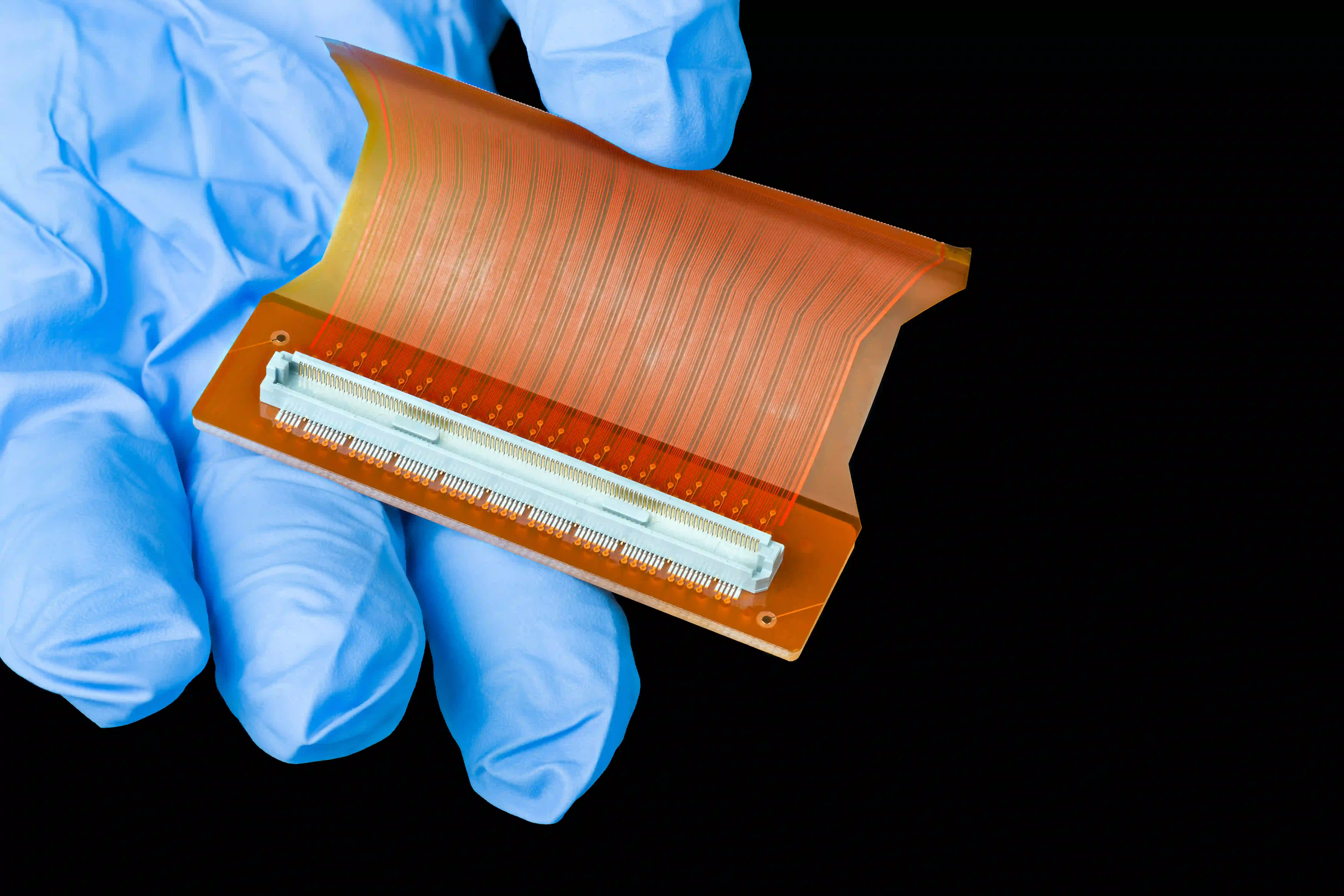
The automotive industry demands components that perform flawlessly in one of the harshest operating environments imaginable. From engine compartments exceeding 150°C to sub-zero winter conditions, from constant vibration to exposure to oils and chemicals, automotive flex PCBs must deliver reliable performance for decades.
Our automotive-grade quality process uses documented inspection, traceability, and customer-specific controls for demanding OEM and Tier 1 programs. PPAP documentation and lot traceability support your own qualification of the finished assembly.
As vehicles become increasingly electrified and autonomous, the role of flexible circuits grows. From battery management systems to advanced driver assistance sensors, flex PCBs enable the space savings, weight reduction, and reliability that next-generation vehicles demand.
Documented inspection, traceability, change control, and continuous-improvement practices can be tailored to customer and program requirements.
Operating range from -40°C to +150°C covers all automotive environments, from under-hood applications to exterior sensors in arctic conditions.
Designed and tested to withstand automotive vibration profiles. Our constructions maintain reliability through millions of flex cycles.
Engineered for 15+ year automotive service life with accelerated life testing to validate reliability predictions.
Flexible PCBs are found throughout modern vehicles, enabling innovations in connectivity, safety, and efficiency.
High-temperature flex circuits monitor engine parameters, control fuel injection, and connect sensors in the harsh under-hood environment. Our heat-resistant constructions withstand continuous operation at elevated temperatures.
Battery management systems (BMS), inverter connections, and charging systems rely on flex PCBs for reliable power distribution and signal routing. Our high-current designs handle the demands of EV applications.
Radar modules, LIDAR systems, camera arrays, and sensor fusion units require flex circuits with controlled impedance and shielding for reliable sensor performance.
Dashboard displays, touch controls, ambient lighting, and audio systems use flex PCBs to route signals through complex vehicle interiors while meeting automotive aesthetic requirements.
Airbag deployment sensors, seatbelt pretensioners, and stability control systems depend on flex circuits that perform flawlessly when lives are at stake.
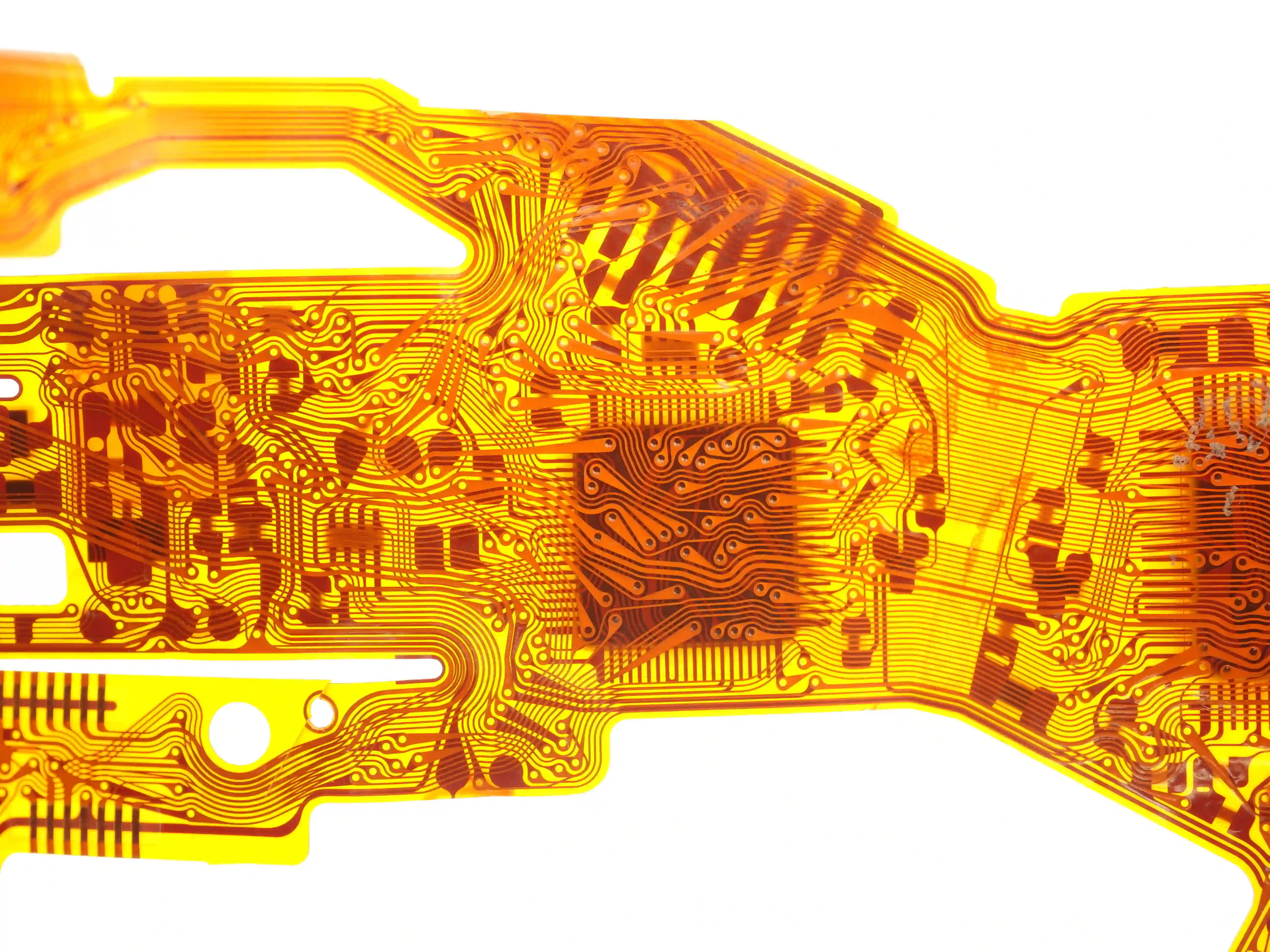
Automotive electronics face the most rigorous reliability requirements of any commercial application. Our quality systems and testing protocols are designed to exceed these demands.
We provide complete Production Part Approval Process documentation including dimensional reports, material certifications, process flow diagrams, control plans, and capability studies.
Boards can be supplied with the test coupons and lot documentation your qualification lab needs for temperature cycling, humidity and vibration testing. Component-level AEC-Q100 qualification is carried out by the IC supplier, not the PCB manufacturer.
Accelerated life testing validates long-term reliability. We perform thermal cycling, vibration testing, bend testing, and environmental exposure testing per automotive standards.
Our processes combine statistical process control, automated optical inspection, and comprehensive electrical testing to drive defects down.
Automotive applications demand carefully selected materials that maintain performance across all environmental conditions.
Our automotive-grade polyimides maintain mechanical properties at elevated temperatures, ensuring dimensional stability and reliable adhesion even in engine compartment applications.
Environmental regulations increasingly require halogen-free materials. We offer fully halogen-free constructions that meet automotive OEM specifications.
For high-current applications in EVs and power electronics, we offer copper weights up to 3oz with specialized processing to maintain fine features.
Additional protection against moisture, chemicals, and contaminants with automotive-grade conformal coatings applied in controlled conditions.
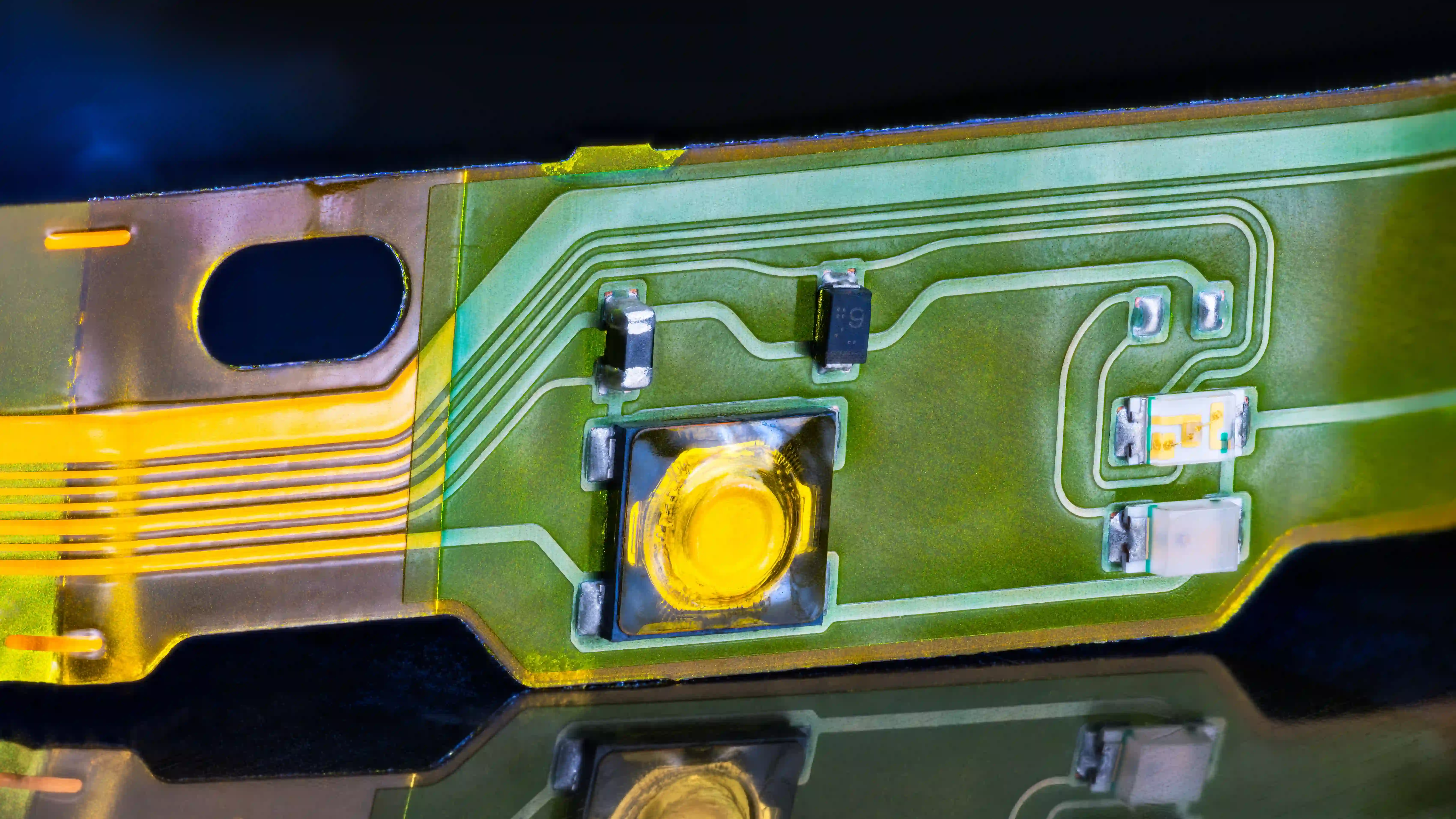
Multi-layer flex circuit connecting battery cells for voltage monitoring, temperature sensing, and cell balancing in electric vehicle battery packs.
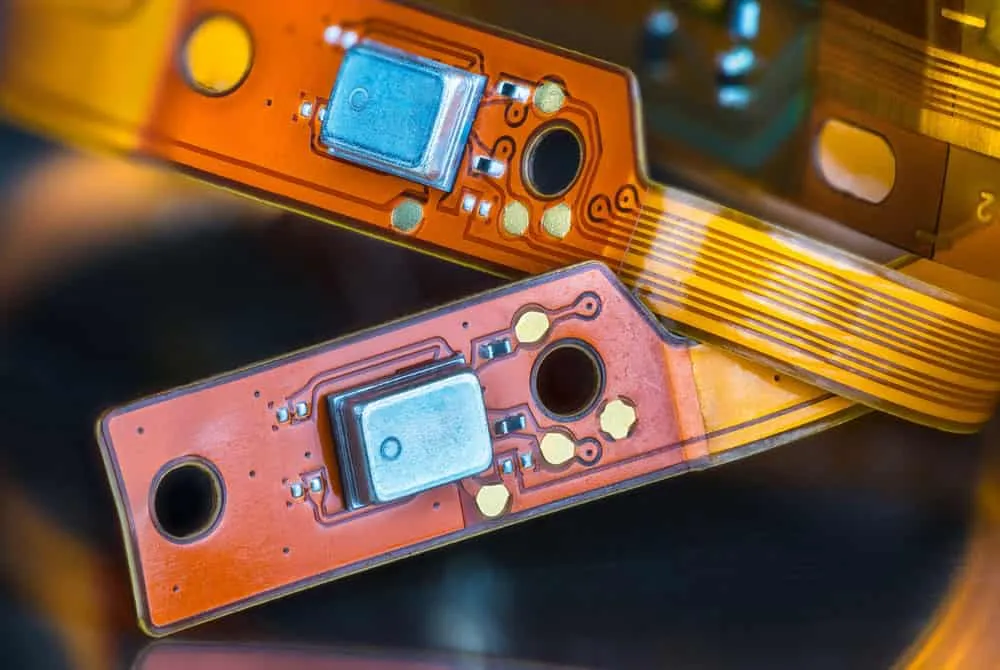
Aluminum-backed flex PCB with excellent thermal management for high-power automotive LED lighting applications.
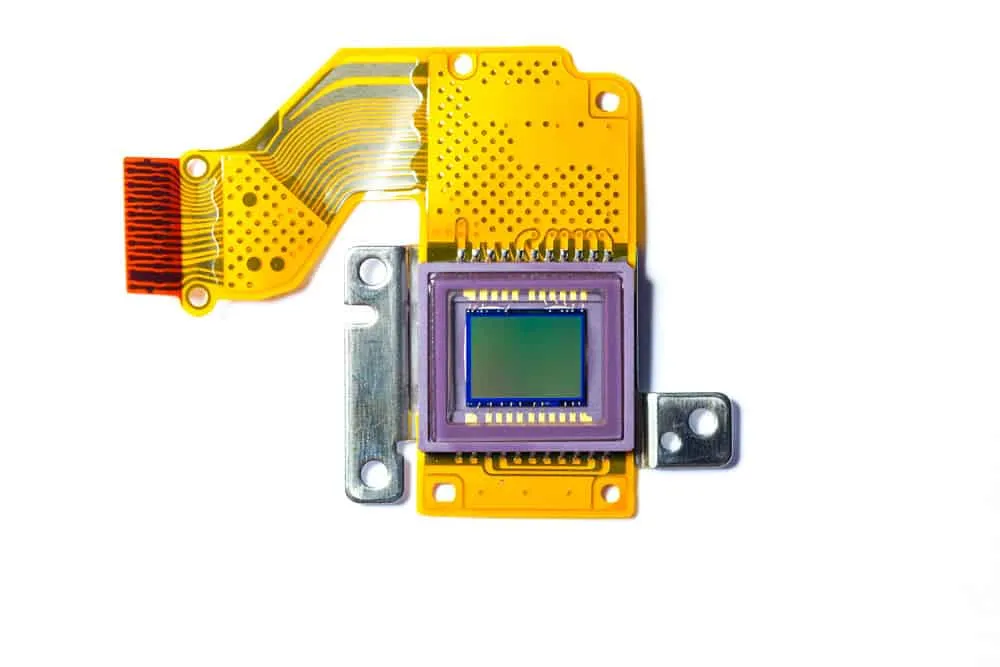
Dynamic flex circuit rated for millions of flex cycles, connecting steering wheel switches and controls through the rotating steering column.
Automotive programs are produced at our IATF 16949-certified facilities (Shenzhen Uniwell for PCB fabrication, Shenzhen OurPCB/Aoer for assembly; product design excluded per scope) and we support PPAP documentation and customer-specific change-control requirements.
Yes, we provide complete PPAP documentation packages including all required elements from Level 1 through Level 5 as specified by your organization.
Our standard automotive constructions operate from -40°C to +125°C. For under-hood applications, we offer high-temperature materials rated to +150°C or higher.
AEC-Q100 is a stress-test qualification for integrated circuits, so it is carried out by the component supplier, not the PCB manufacturer. For the flex board itself we provide PPAP documentation, lot traceability and test coupons for your board-level reliability testing.
We support automotive production volumes from prototype through high-volume manufacturing. Our facility can scale to meet program requirements with capacity planning support.