Flex & rigid-flex engineering

Flex PCB Manufacturer

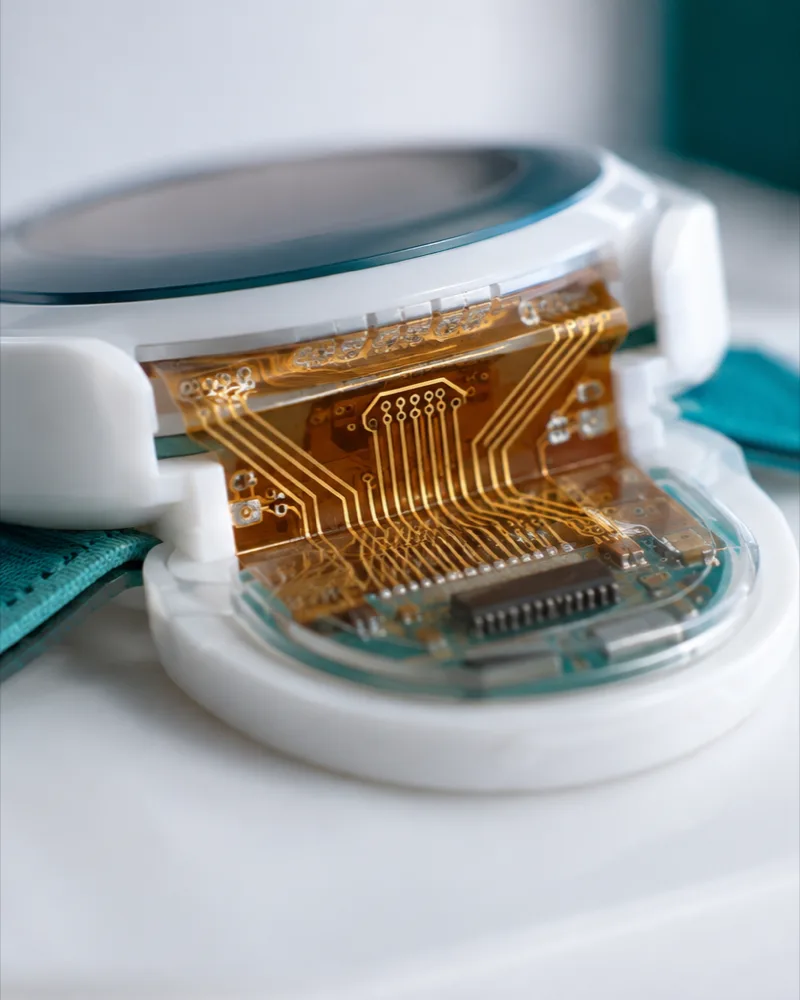
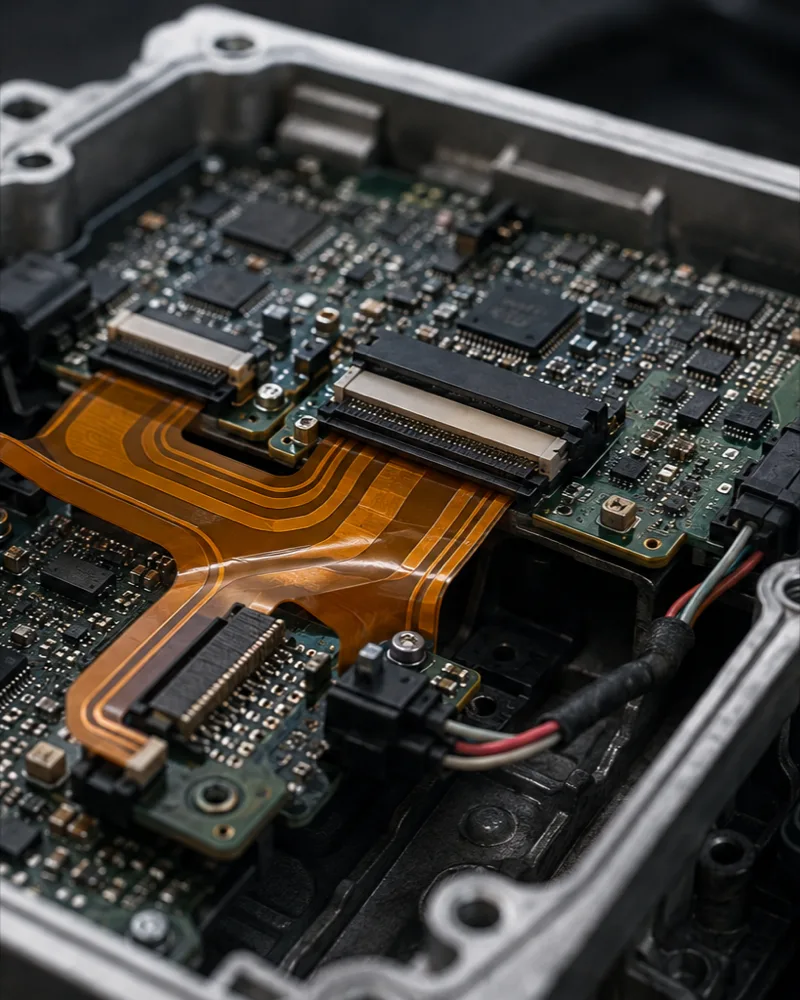
Flexible & Rigid-Flex Circuits, Built to Spec

Upload your fabrication data and build requirements. An engineer reviews manufacturability, stack-up, materials, and production risk before pricing.

  • Free DFM review
  • No MOQ
  • Engineer-reviewed quote
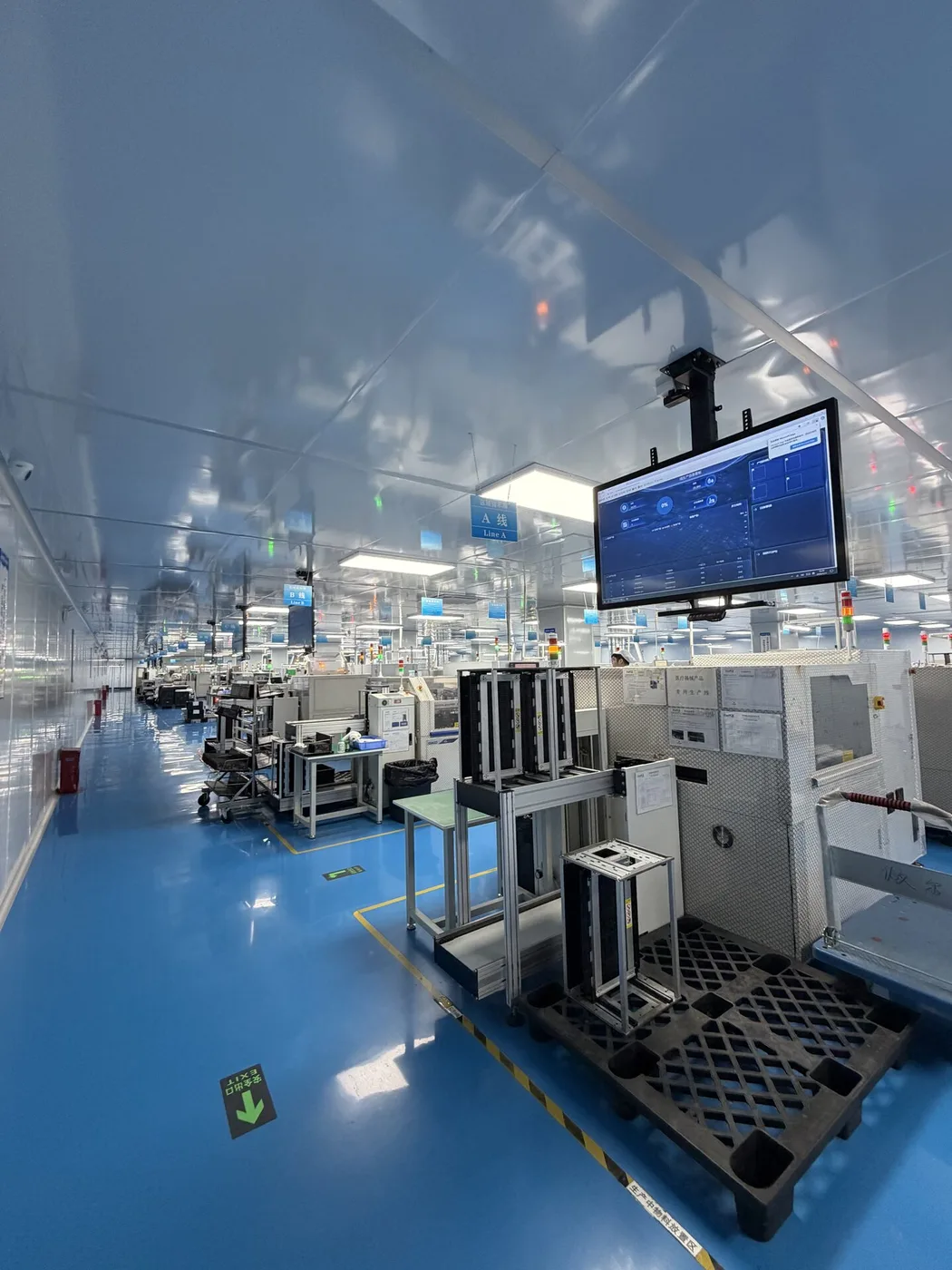
Our Shenzhen SMT assembly workshop
Our Shenzhen SMT factory

The in-house SMT & PCBA line behind our flex boards

26 placement machines · 11 SMT lines
4 nitrogen reflow ovens
AI-assisted 3D SPI & AOI, MES-linked
01005 placement in mass production
See our factory
Engineering-reviewed
Quote Turnaround
No MOQ
Minimum Order
1-20
Layer Count
ISO
Quality System
Technical Capabilities

Engineering for Flexibility

Our processes are designed to handle the unique geometric challenges of flexible circuits, from dynamic bending to tight folding.

Rigid-Flex Technologies

  • 2-8 Layers standard
  • HDI Microvias
  • Bookbinder Construction
  • Controlled Impedance
Full Specs

Flex PCB Materials

  • Polyimide (PI)
  • Polyester (PET)
  • Adhesiveless Copper
  • Dupont Pyralux
Full Specs

Rapid Prototyping

  • Quick-Turn Options
  • No Minimum Quantity
  • DFM Check Included
  • Laser Direct Imaging
Full Specs

Precision Engineering

  • Min Trace/Space: 3mil
  • Min Hole: 0.1mm
  • Blind & Buried Vias
  • ENIG & Hard Gold
Full Specs

Industry Application Showcase

See our rigid-flex PCB products designed for various industries
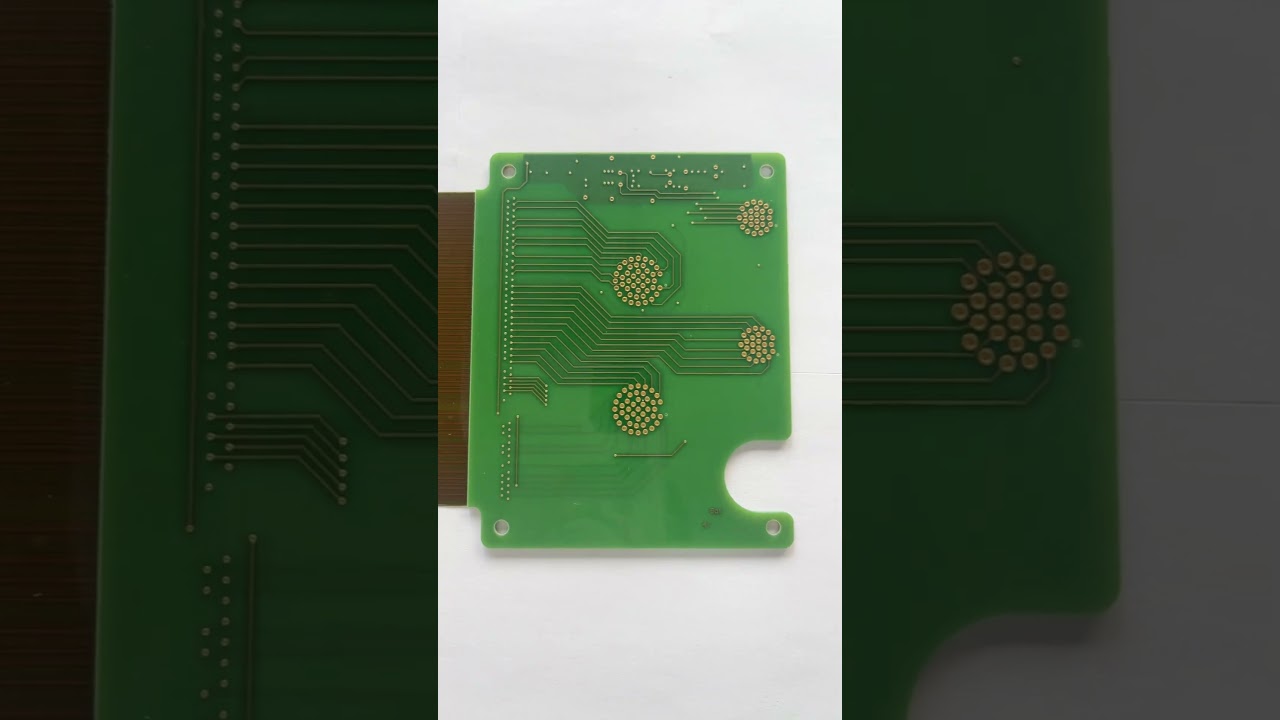
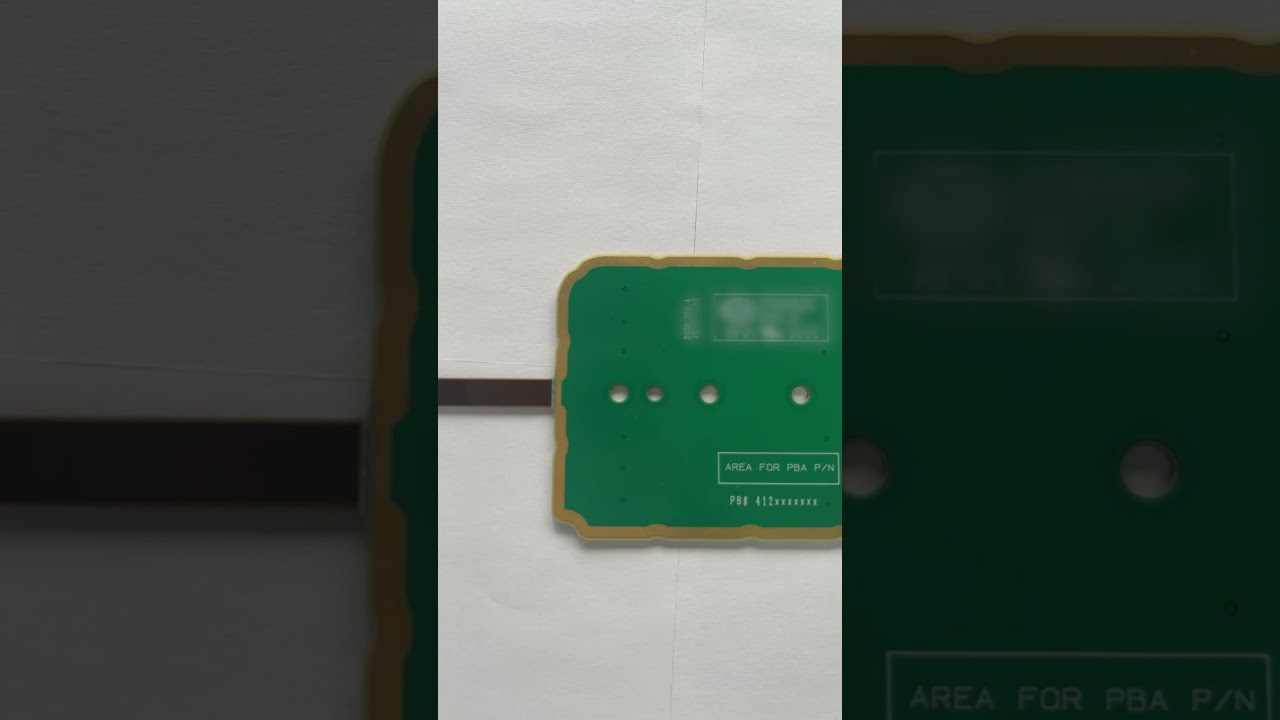
Rigid-Flex PCB for Consumer Electronics

Rigid-Flex PCB for Consumer Electronics

Compact rigid-flex solutions for consumer electronic devices
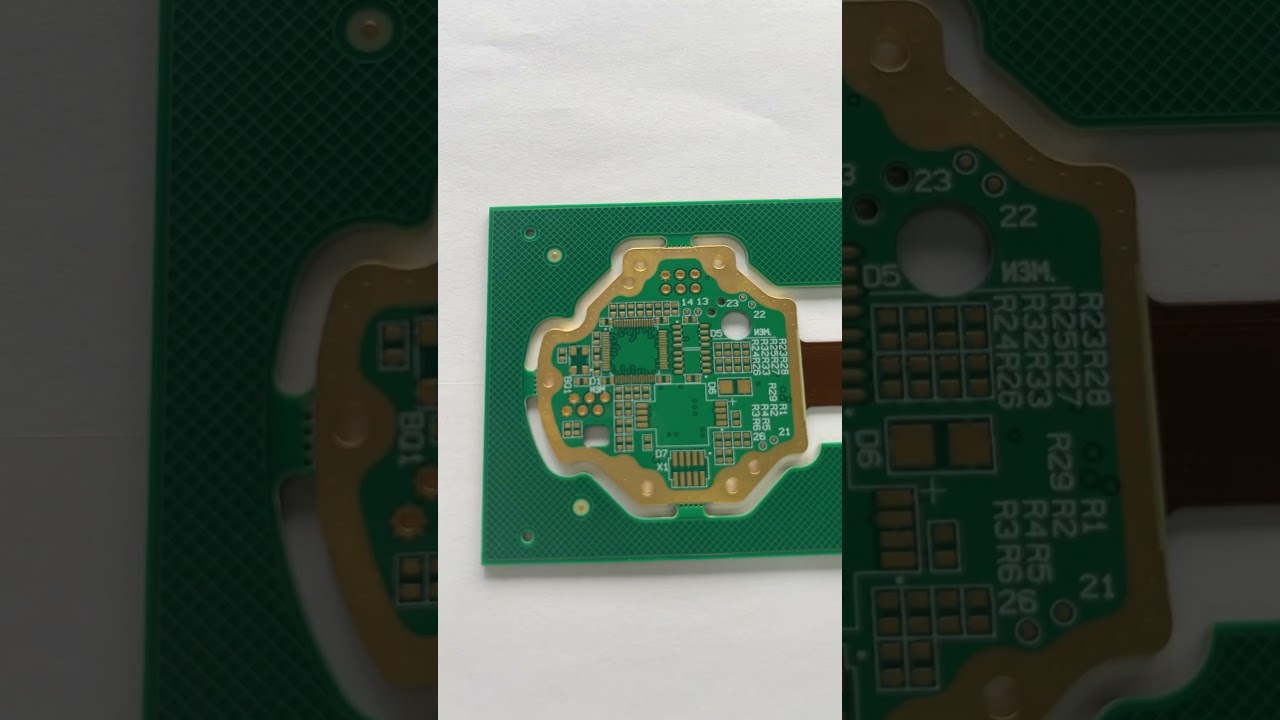
4-Layer Rigid-Flex Board for Industrial Control

4-Layer Rigid-Flex Board for Industrial Control

High-reliability rigid-flex for industrial automation systems
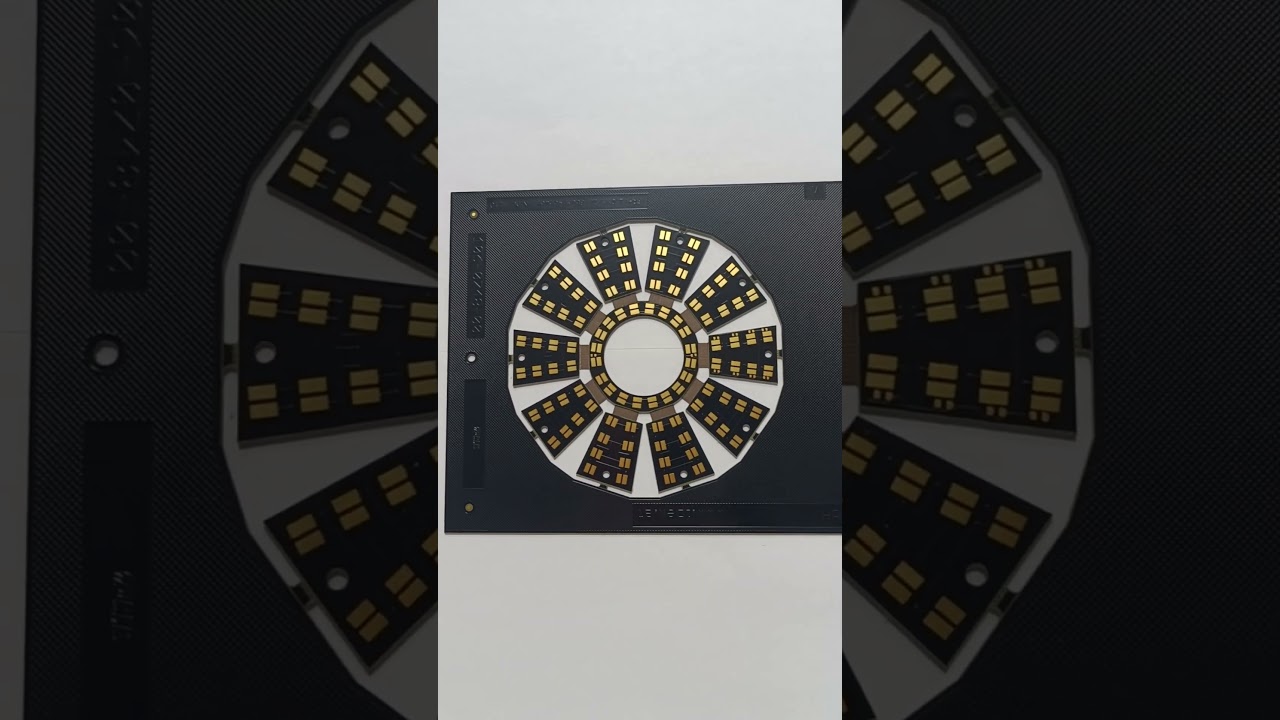
Rigid-Flex PCB for Medical Devices

Rigid-Flex PCB for Medical Devices

Customized rigid-flex solutions for medical device applications
Rigid-Flex PCB for Consumer Electronics

Rigid-Flex PCB for Consumer Electronics

Advanced rigid-flex design for portable consumer products

Why Choose FlexiPCB for Your Flex Circuit Needs?

FlexiPCB is a manufacturer of flexible printed circuit boards (Flex PCB) and rigid-flex PCBs, serving customers worldwide with high-quality, precision-engineered solutions. Our manufacturing facilities combine advanced technology with experienced engineering to deliver flexible circuits that meet the most demanding specifications.

We specialize in a wide range of flex PCB applications, from single-layer flexible circuits to complex multi-layer rigid-flex assemblies. Our capabilities include HDI technology, controlled impedance, and various surface finishes including ENIG, OSP, and hard gold plating.
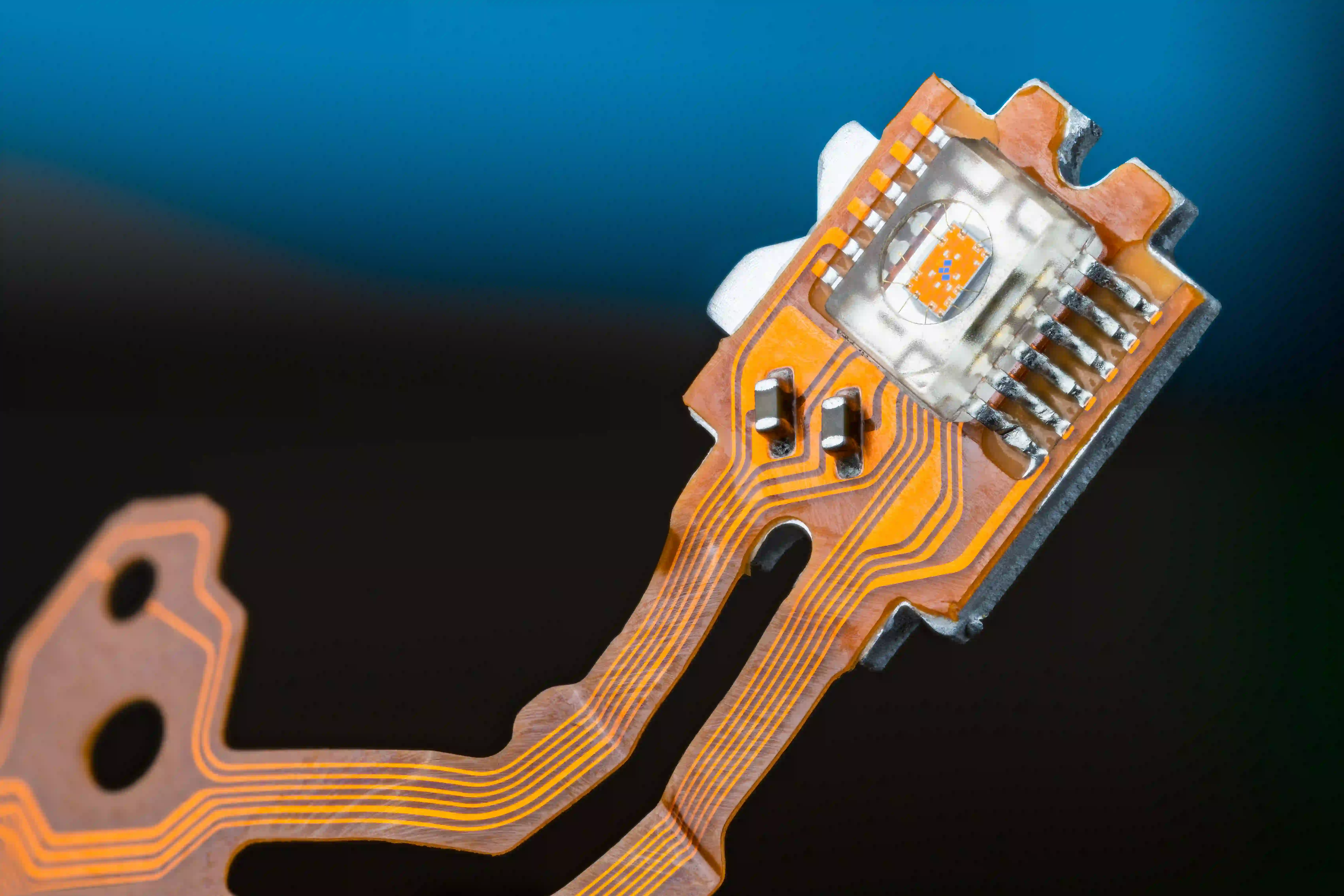
Flexible PCB Circuit Board

Our manufacturing facilities are certified to ISO 9001:2015, ISO 13485 (Medical) and IATF 16949 (Automotive), helping ensure consistent quality across all our products. Our commitment to excellence has made us a trusted partner for industries including medical devices, automotive, and consumer electronics.

Frequently Asked Questions

Common Questions About Flex PCBs

Prototype lead time depends on layer count, materials, finish and stiffeners. Expedited builds are available for simple designs, and your quote states the confirmed lead time, which starts after design approval.

Yes, every order undergoes a comprehensive Design for Manufacturing (DFM) review by our engineering team before production. This ensures your Gerber files are optimized for manufacturing yields and reliability.

For static (bend-to-install) bends, the guideline minimum is about 6x the total thickness for single-sided flex and 10x for double-sided flex. Dynamic flexing needs roughly 100x or more, ideally single-sided construction with rolled annealed copper.

Absolutely. We operate automated production lines that scale from a handful of prototypes to high-volume mass production runs with consistent quality control.

Our group facilities hold ISO 9001:2015, ISO 13485 (Medical), and IATF 16949 (Automotive) certifications. Boards are built to RoHS-compliant, lead-free processes, with UL-recognized materials available on request.

Tooling is charged once per design. A repeat order built from exactly the same Gerber files and the same panel layout carries no new tooling charge. Any change to the files, even a small edit to one copper layer, makes it a new design that needs new tooling. The SMT stencil, the electrical-test fixture used for larger quantities, and the wave-soldering fixture for through-hole parts are also one-time charges. Assembly labour is different: it is charged on every order.

Assembly is priced on the placing and soldering work, not on the value of the parts: we count the components, the SMD placements and the through-hole joints on the board. Machine placement has a minimum charge, so the unit assembly cost is higher on small quantities and falls considerably as volume rises. Boards that need functional testing are quoted once you send the test procedure, and boards that are all hand-soldered through-hole are quoted separately. If you send the component count and the number of SMD pads and through-holes, we can give a rough figure for the bare board and the assembly together before the full quote.

Yes. Our purchasing team buys parts for sample orders from Mouser, Digi-Key and local authorised distributors, and for volume orders can also buy direct from the manufacturer or from suppliers you nominate. The quoted BOM states where each line will be bought, and we ask you to confirm before purchasing. Standard SMD resistors and capacitors are held in stock. If a part is out of stock or discontinued, we propose a substitute or ask you to name one. If the quote is more than a month old, stock and prices are checked again before purchasing. If you supply some parts yourself, moisture-sensitive components and all BGAs are baked before assembly as standard practice.

Yes. Rigid-flex boards of 2 to 8 layers are routine builds (for pure flex, 1 to 4 layers is standard and 5 to 8 layers are confirmed by engineering review), and we have made rigid-flex prototypes for more than 10 years. There is no standard rigid-flex stack-up, though. Send the Gerber files with complete routing and the finished board thickness, and our engineer builds the stack-up for your design, including the polyimide (PI) and dielectric constant, then sends it for your confirmation before production. PI is the usual flexible material, and 0.05 mm is a common PI thickness. For an accurate quote we need the Gerber files, layer count, board thickness and material, surface finish and quantity, plus the BOM if we also assemble the board. Not every rigid-flex design can be built, so we review your files before confirming.

Yes. The GKO (keep-out) layer defines the outline of the board, and production needs it to set the exact board size; without an outline we cannot confirm the dimensions or give an accurate quote. The file does not have to be named GKO: an outline file such as OUTLINE.art works if it carries the board profile. A complete Gerber set for fabrication includes the outline, drill, solder mask, copper and silkscreen layers.

The last five answers come from our PCB and PCBA sales correspondence with 2,839 unique customer contacts, November 2018 to September 2026 (counted November 2026; the count includes enquiries, not only orders). Prices are not listed here; send your files for a quote.

Ready to Start Your Flex PCB Project?

Get a competitive quote after an engineering review. Our team is ready to help optimize your design for manufacturing.

Free DFM AnalysisEngineering Team ResponseNo Minimum Order