
Κατασκευαστής Εύκαμπτων PCB
Έμπιστος για πάνω από 20+ χρόνια
Εμπιστεύονται Ηγέτες της Βιομηχανίας


Λάβετε την Άμεση Προσφορά σας
Ανεβάστε τα αρχεία Gerber για άμεση ανάλυση DFM και ανταγωνιστικές τιμές.
Μηχανική για Ευελιξία
Οι διαδικασίες μας έχουν σχεδιαστεί για να χειρίζονται τις μοναδικές γεωμετρικές προκλήσεις των εύκαμπτων κυκλωμάτων, από δυναμική κάμψη έως στενή αναδίπλωση.
Τεχνολογίες Άκαμπτων-Εύκαμπτων
- 2-50 Στρώσεις
- HDI Microvias
- Κατασκευή Bookbinder
- Ελεγχόμενη Εμπέδηση
Γρήγορη Πρωτοτυπία
- Παράδοση 24 Ωρών
- Χωρίς Ελάχιστη Ποσότητα
- Έλεγχος DFM Περιλαμβάνεται
- Απεικόνιση Άμεσου Laser
Μηχανική Ακριβείας
- Ελάχ. Ίχνος/Απόσταση: 3mil
- Ελάχ. Οπή: 0.1mm
- Τυφλές & Θαμμένες Οπές
- ENIG & Σκληρός Χρυσός
Βιομηχανίες που Τροφοδοτούνται από τα Κυκλώματά μας

Ιατρικές Συσκευές
Αξιόπιστα εύκαμπτα κυκλώματα για εμφυτεύματα, οθόνες και χειρουργικά ρομπότ.

Αεροδιαστημική & Άμυνα
Άκαμπτες-εύκαμπτες πλακέτες υψηλής αξιοπιστίας που πληρούν πρότυπα MIL-SPEC.

Αυτοκινητοβιομηχανία
Ανθεκτικά PCB για αισθητήρες, infotainment και συνδέσεις ECU.

Ηλεκτρονικά Καταναλωτών
Συμπαγή, αναδιπλούμενα κυκλώματα για φορετά και κινητές συσκευές.
Παρουσίαση Βιομηχανικών Εφαρμογών
Δείτε τα άκαμπτα-εύκαμπτα PCB μας σχεδιασμένα για διάφορες βιομηχανίες
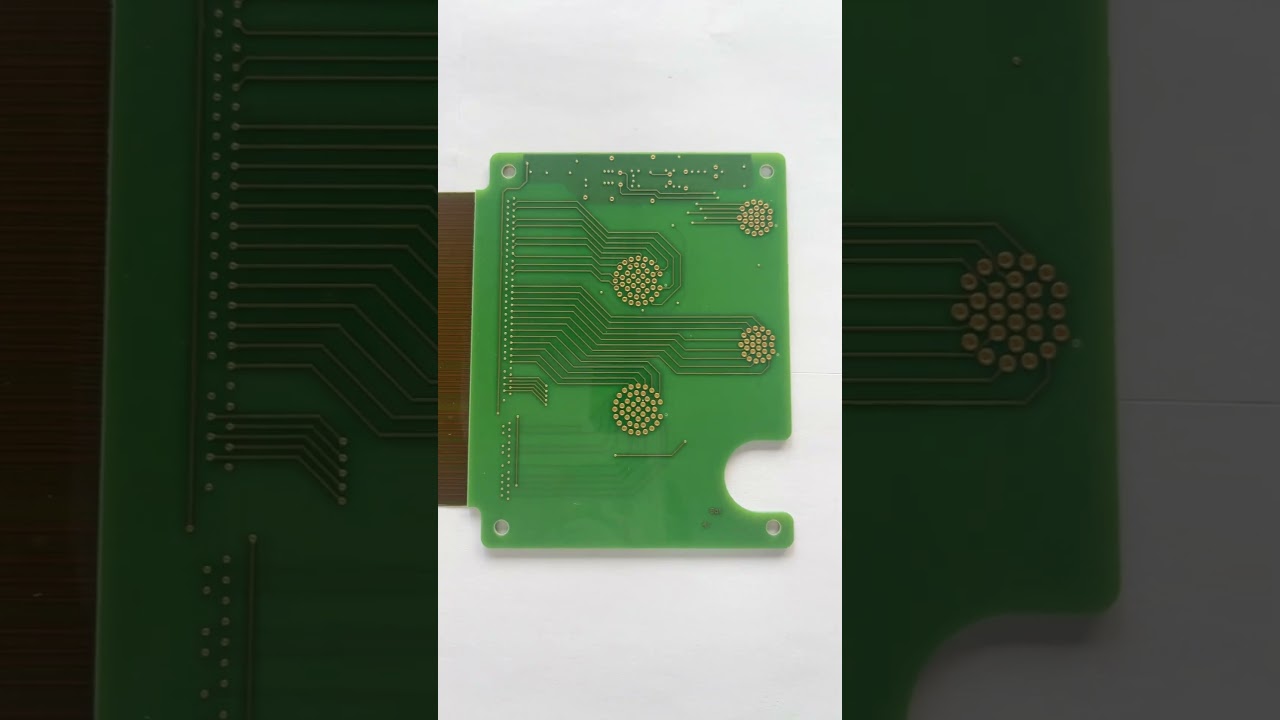
Άκαμπτα-Εύκαμπτα PCB για Ηλεκτρονικά Καταναλωτών
Συμπαγείς λύσεις άκαμπτων-εύκαμπτων για ηλεκτρονικές συσκευές καταναλωτών
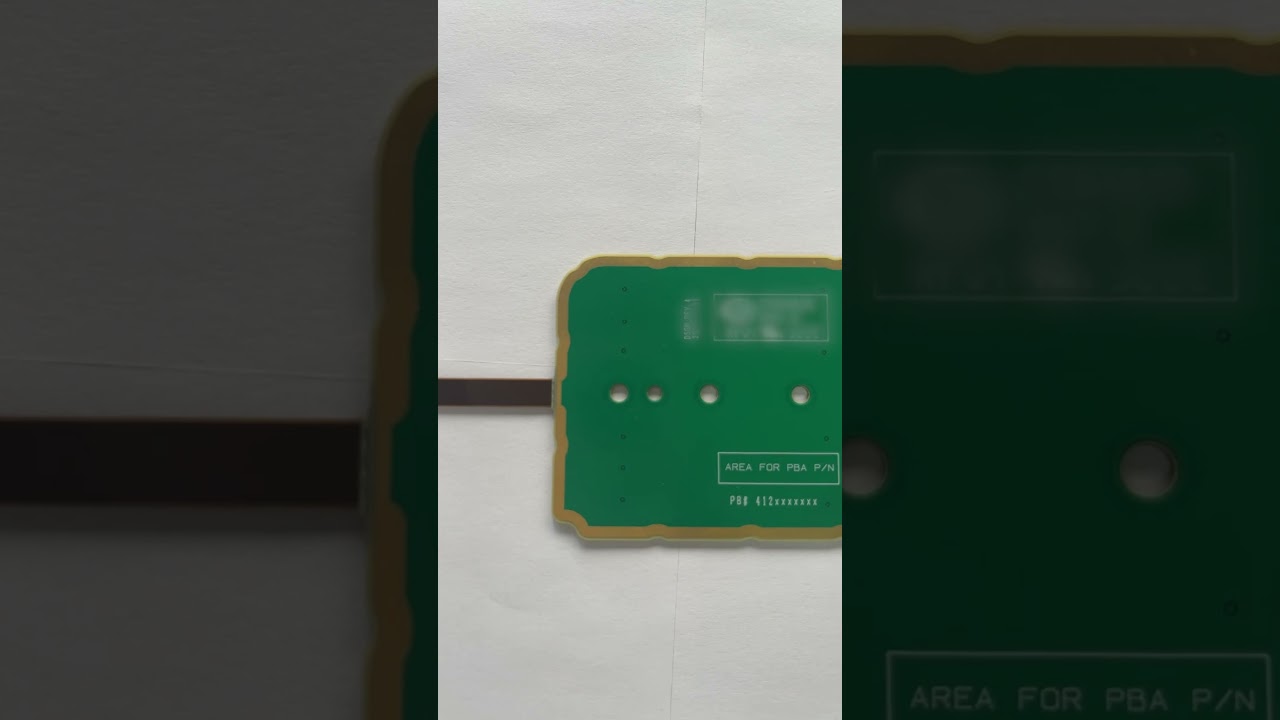
4-Στρώσεων Άκαμπτη-Εύκαμπτη Πλακέτα για Βιομηχανικό Έλεγχο
Άκαμπτα-εύκαμπτα υψηλής αξιοπιστίας για συστήματα βιομηχανικής αυτοματοποίησης
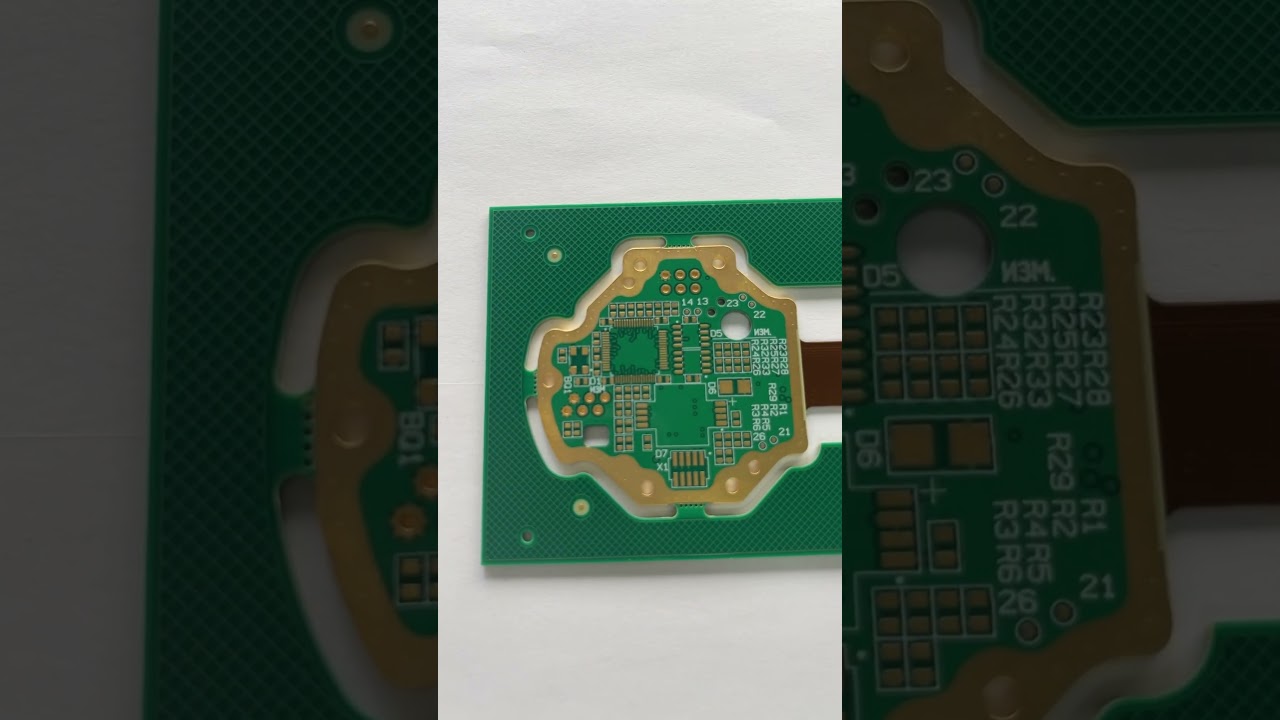
Άκαμπτα-Εύκαμπτα PCB για Ιατρικές Συσκευές
Προσαρμοσμένες λύσεις άκαμπτων-εύκαμπτων για εφαρμογές ιατρικών συσκευών
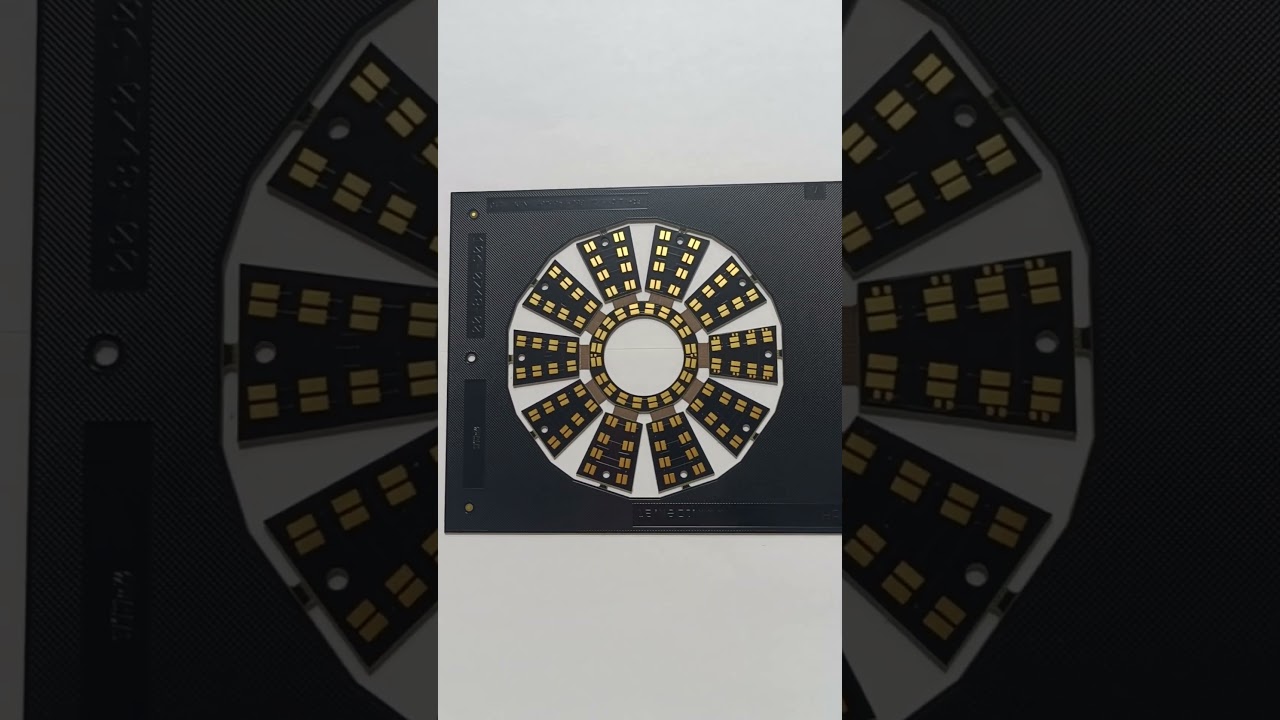
Άκαμπτα-Εύκαμπτα PCB για Ηλεκτρονικά Καταναλωτών
Προηγμένος σχεδιασμός άκαμπτων-εύκαμπτων για φορητά καταναλωτικά προϊόντα
Γιατί να Επιλέξετε την FlexiPCB για τις Ανάγκες Εύκαμπτων Κυκλωμάτων σας;
Η FlexiPCB είναι κορυφαίος κατασκευαστής εύκαμπτων τυπωμένων πλακετών κυκλωμάτων (Flex PCB) και άκαμπτων-εύκαμπτων PCB, εξυπηρετώντας πελάτες παγκοσμίως με υψηλής ποιότητας, μηχανικά σχεδιασμένες λύσεις. Οι σύγχρονες εγκαταστάσεις κατασκευής μας συνδυάζουν προηγμένη τεχνολογία με δεκαετίες εμπειρίας για να παραδώσουν εύκαμπτα κυκλώματα που πληρούν τις πιο απαιτητικές προδιαγραφές.
Ειδικευόμαστε σε ένα ευρύ φάσμα εφαρμογών εύκαμπτων PCB, από μονόστρωτα εύκαμπτα κυκλώματα έως πολύπλοκες πολυστρωματικές άκαμπτες-εύκαμπτες συναρμολογήσεις. Οι δυνατότητές μας περιλαμβάνουν τεχνολογία HDI, ελεγχόμενη εμπέδηση και διάφορες επιφανειακές επεξεργασίες συμπεριλαμβανομένων ENIG, OSP και σκληρής επίχρυσης.

Με πιστοποιήσεις ISO 9001:2015, ISO 13485 (Ιατρικά) και IATF 16949 (Αυτοκινητοβιομηχανία), εξασφαλίζουμε σταθερή ποιότητα σε όλα τα προϊόντα μας. Η δέσμευσή μας στην αριστεία μας έχει καταστήσει αξιόπιστο συνεργάτη για βιομηχανίες όπως ιατρικές συσκευές, αεροδιαστημική, αυτοκινητοβιομηχανία και ηλεκτρονικά καταναλωτών.