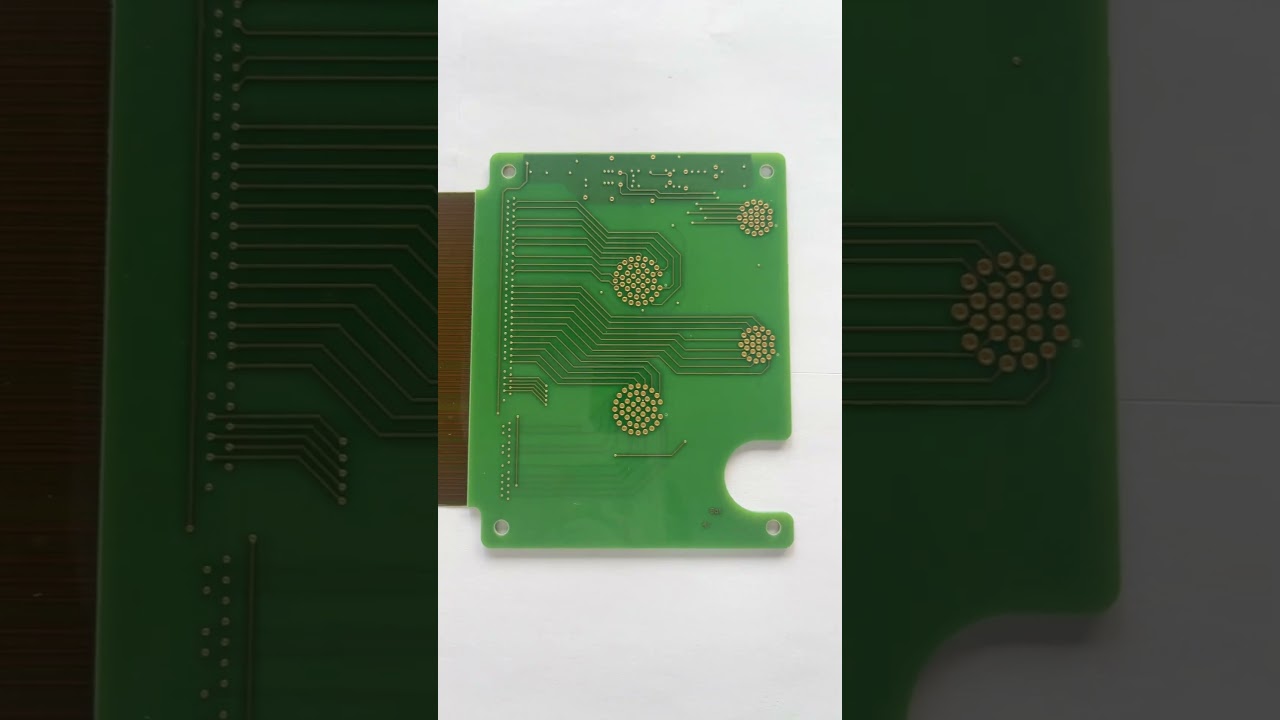
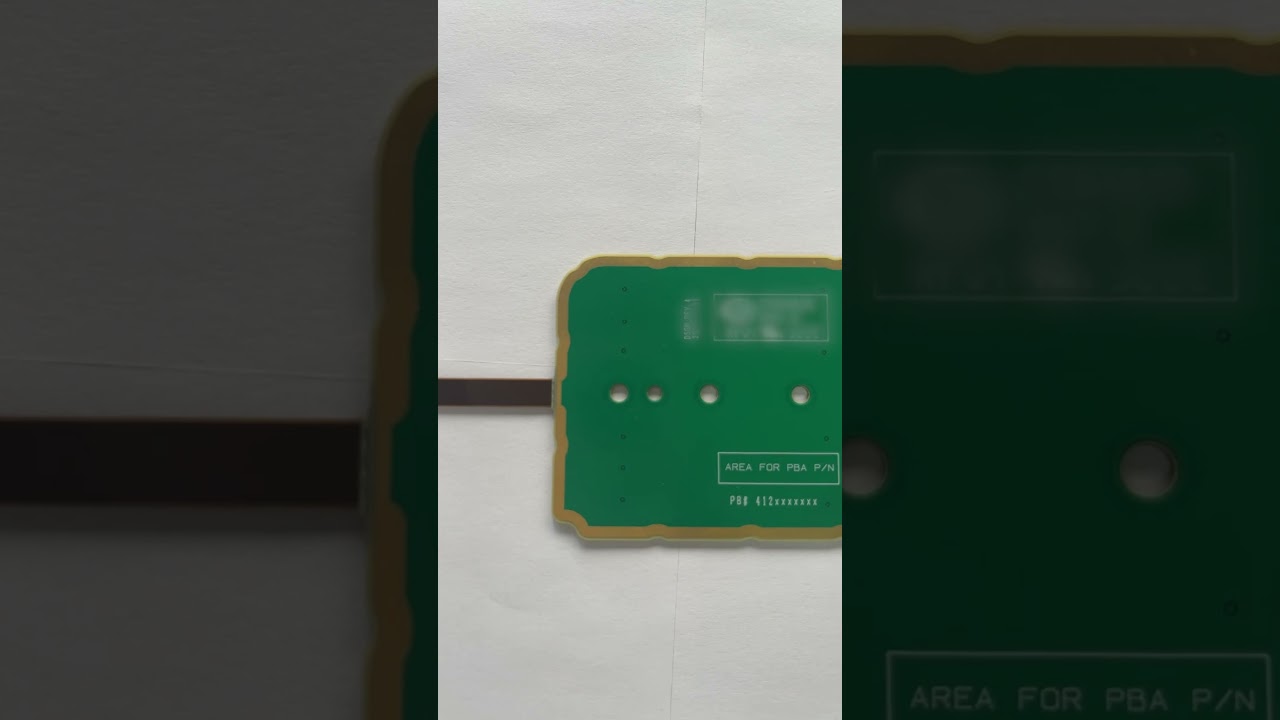
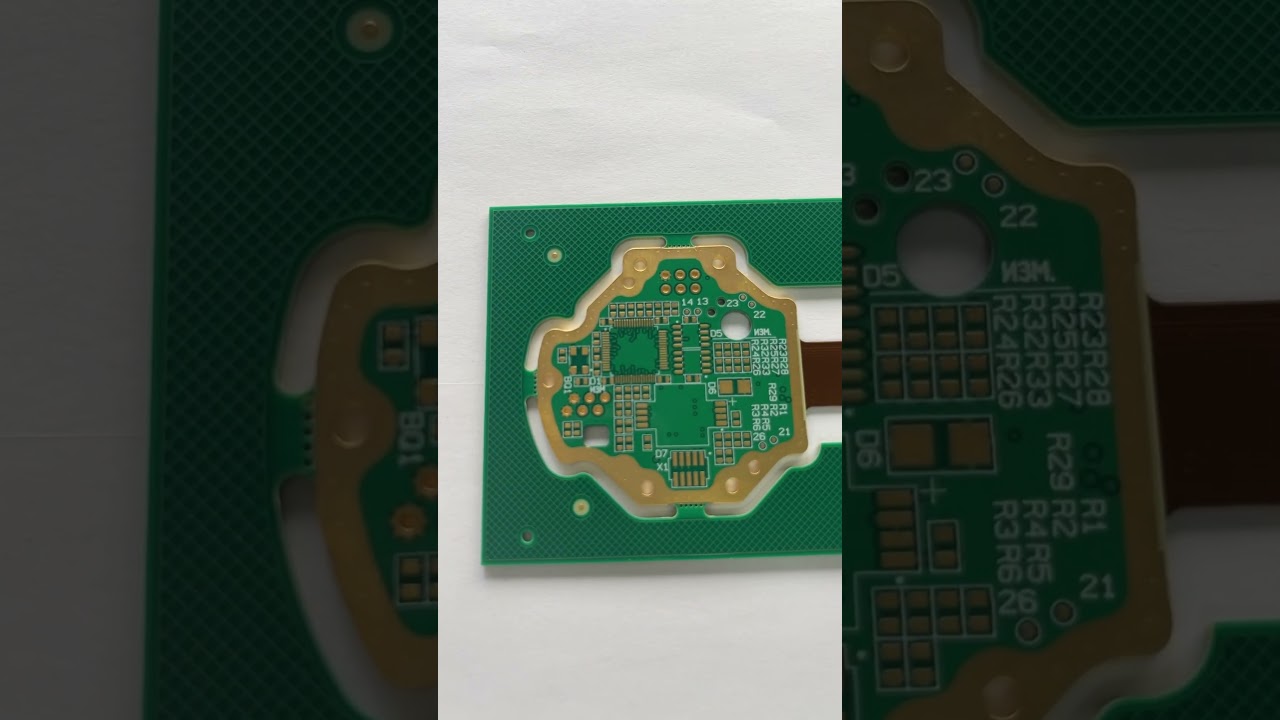
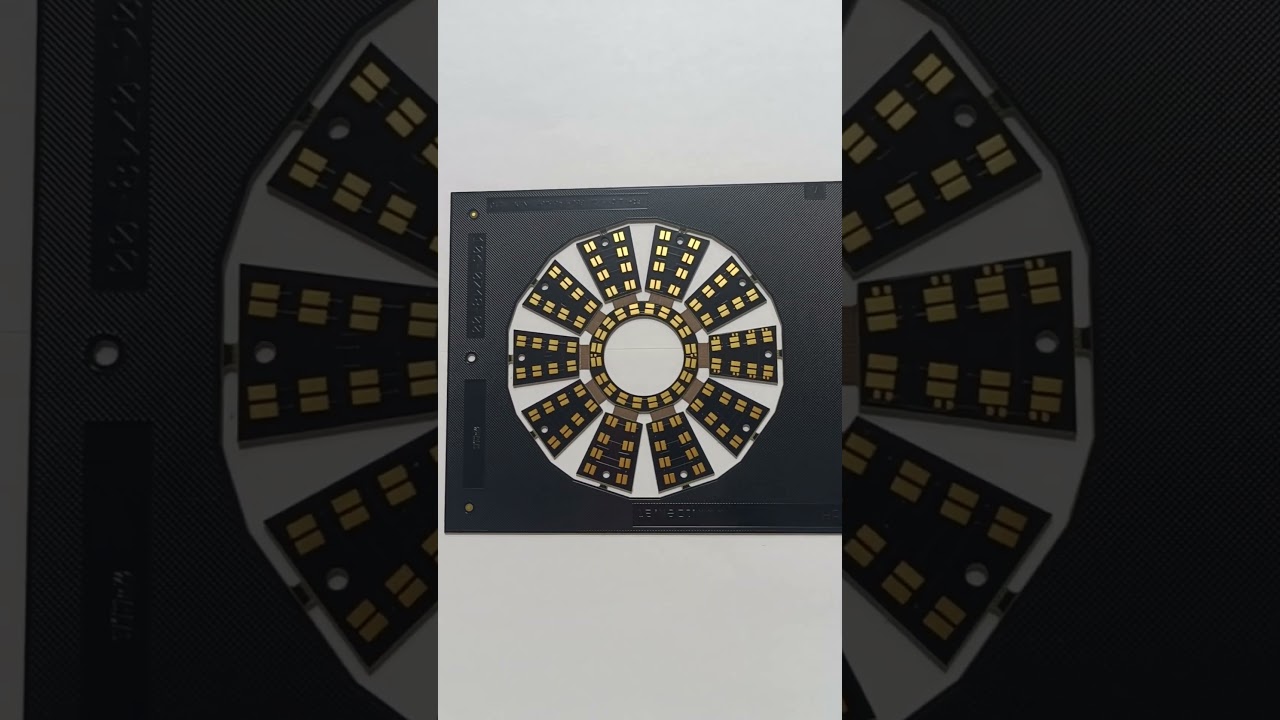
Gold finger flex PCB is an FPC contact design using nickel plus hard gold for repeat connector insertion in OEM devices.
RFQ review covers Gerber, connector drawing, plating thickness, bevel, stiffener, bend zone, MOQ, and sample timing.
Capability includes 3u-30u hard gold, ZIF and card-edge contacts, continuity test, and connector-fit evidence.
IPC-A-600, IPC-A-620, UL-758, IATF 16949, and ISO 9001 are mapped to inspection and traceability needs.
Un PCB flexibil cu gold fingers poate trece de mostră și totuși poate eșua în producție dacă grosimea aurului, bariera de nichel, teșirea sau forța de inserție ZIF nu sunt definite clar. Producem contacte FPC hard-gold pentru ZIF, card-edge, cozi de tastatură și module serviceabile, cu revizie de geometrie, confirmare de placare, verificare connector fit, test de continuitate și documentație de eliberare. Banca de cazuri notează "order volumes ranging from dozens (samples) to 20,000+ units", "multi-million dollar annual revenue program" și "10+ SKUs managed". Gold finger flex PCB is a flexible printed circuit with plated edge or tail contacts designed for repeated mating. Hard gold plating is an electrolytic nickel-gold finish selected when insertion cycles, contact wear, and stable resistance matter more than low cosmetic cost. A ZIF connector is a zero-insertion-force connector that clamps an FPC tail; its pitch, latch height, and supported thickness must match the FPC stackup. For a Romania procurement engineer comparing three suppliers, the practical decision is whether the supplier can review connector drawings, stiffener thickness, plating callouts, bend-zone keepout, inspection reports, sample handling, and volume release evidence before the first PO is placed.
Gold finger FPC tails support compact LCD, camera, sensor, and keypad modules where connector fit and controlled tail thickness decide assembly yield.
The US smart-hardware case shows why revision control matters: order volumes ranging from dozens (samples) to 20,000+ units, a multi-million dollar annual revenue program, and 10+ SKUs managed.
A robotics case used ISO 9001:2015, IATF 16949:2016, IPC/WHMA-A-620, and 5 premium connector brands (JST, TE, MOLEX, ANDERSON, SUMITOMO) to qualify connector-heavy production.
Serviceable modules need repeat insertion without unstable resistance, so hard gold, nickel barrier, bevel direction, and packaging are reviewed before release.
We check Gerber, stackup, connector drawing, insertion direction, stiffener requirement, gold thickness, MOQ, sample date, and required reports before pricing.
Engineers review finger width, pitch, length, solder-mask pullback, coverlay opening, bevel, copper balance, and bend-zone distance.
Hard-gold thickness, nickel barrier, base copper, panel layout, masking, and stiffener material are aligned with drawings and connector tolerance.
Lots receive visual review, 100% electrical test, and optional connector mating checks so acceptance is based on evidence.
The release package can include DFM notes, inspection photos, COC, lead-time options, packaging notes, and split-delivery planning.
We flag tail thickness, latch clearance, bevel direction, stiffener stackup, and gold callout before procurement commits.
3u decorative gold and 30u hard gold are not interchangeable; wear-cycle expectations drive the recommendation.
When the FPC connects to wires or harnesses, IPC-A-620 and UL-758 concerns are reviewed alongside PCB inspection.
The case bank documents sample-to-volume scaling, 10+ SKUs, and connector-brand qualification rather than generic supplier claims.
Gerber, drill, stackup, coverlay, stiffener drawing, and finished thickness target
Connector datasheet with pitch, latch height, insertion direction, supported FPC thickness, and mating-cycle expectation
Gold thickness callout, nickel requirement, bevel direction, contact length, and exposed copper restrictions
MOQ, sample quantity, annual forecast, target approval date, production release date, and shipment split plan
Required reports: COC, electrical test, plating confirmation, inspection photos, connector-fit evidence, and traceability records
DFM comments on ZIF fit, hard-gold thickness, bevel, stiffener stackup, coverlay clearance, and bend-zone risk
Quotation with MOQ, sample lead time, production lead time, tooling, plating cost drivers, and material risks
Inspection plan covering visual criteria, electrical test, connector-fit check, plating notes, and report format
Standards map for IPC-A-600, IPC-A-620, UL-758, IATF 16949, and ISO 9001 documentation needs
Production release checklist for drawing revision, lot traceability, packaging, and repeat-order control
Gold finger flex PCB is a flexible circuit with plated contact fingers designed to mate with ZIF, card-edge, keypad, or service connectors. The critical controls are hard-gold thickness, nickel barrier, finger geometry, bevel direction, FPC finished thickness, and stiffener support. For connector programs, we review those details before quoting because a tail that is 0.05 mm too thick or too thin can create latch, insertion, or contact-resistance problems.
Gold thickness depends on mating cycles and connector style. Low-cycle prototypes may use thinner hard gold, while serviceable contacts often need 15u to 30u over nickel. We do not choose thickness from a generic table alone; we check the connector drawing, insertion cycle target, contact pressure, exposed length, MOQ, and cost target. The RFQ response can show a lower-cost option and a longer-wear option for procurement comparison.
Send Gerber files, stackup, finished thickness target, connector datasheet, stiffener drawing, gold thickness callout, bevel direction, quantity forecast, sample target, and required reports. If the connector is not finalized, send candidate datasheets so engineering can compare supported FPC thickness, latch height, pitch tolerance, and mating-cycle expectation. A complete package lets us return pricing, DFM notes, sample lead time, and production release risks without avoidable assumptions.
IPC-A-600 and IPC-A-620 are used as workmanship references for printed board inspection, connector interfaces, and cable-integrated assemblies.
UL-758 wire style context matters when the gold finger FPC ships as part of a cable-integrated module or internal wiring assembly.
Automotive and industrial OEMs often use IATF 16949 discipline for traceability, change control, and production release.
FlexiPCB manufacturing and sourcing specialist
Hommer Zhao has supported flexible PCB, PCBA, and cable-integrated builds for OEM procurement teams since 2008. For gold finger FPC programs, the engineering review focuses on connector fit, hard-gold plating, stiffener stackup, sample timing, inspection evidence, and repeat-order traceability.
Factory KPI
5 business day typical samples after complete RFQ and material approval
Production KPI
10-15 business day typical production lead time after sample approval
Case evidence
order volumes ranging from dozens (samples) to 20,000+ units; multi-million dollar annual revenue program; 10+ SKUs managed
Standards
IPC-A-600, IPC-A-620, UL-758, IATF 16949, ISO 9001