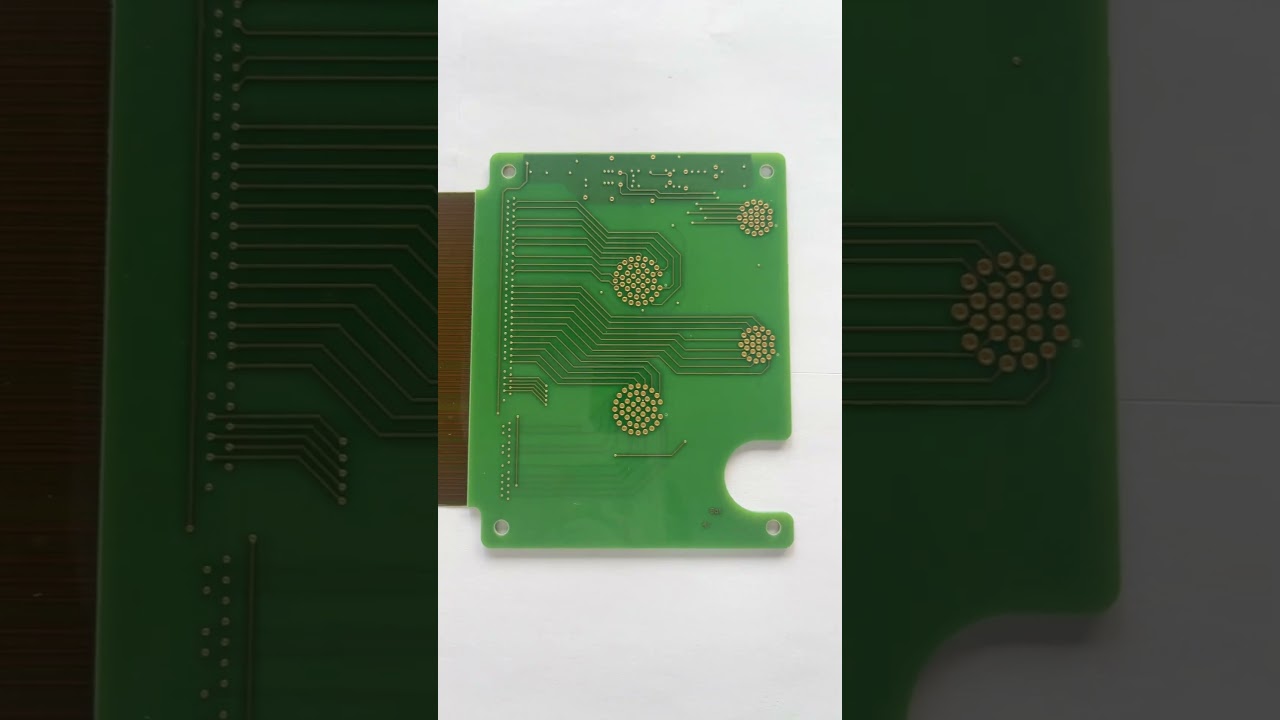
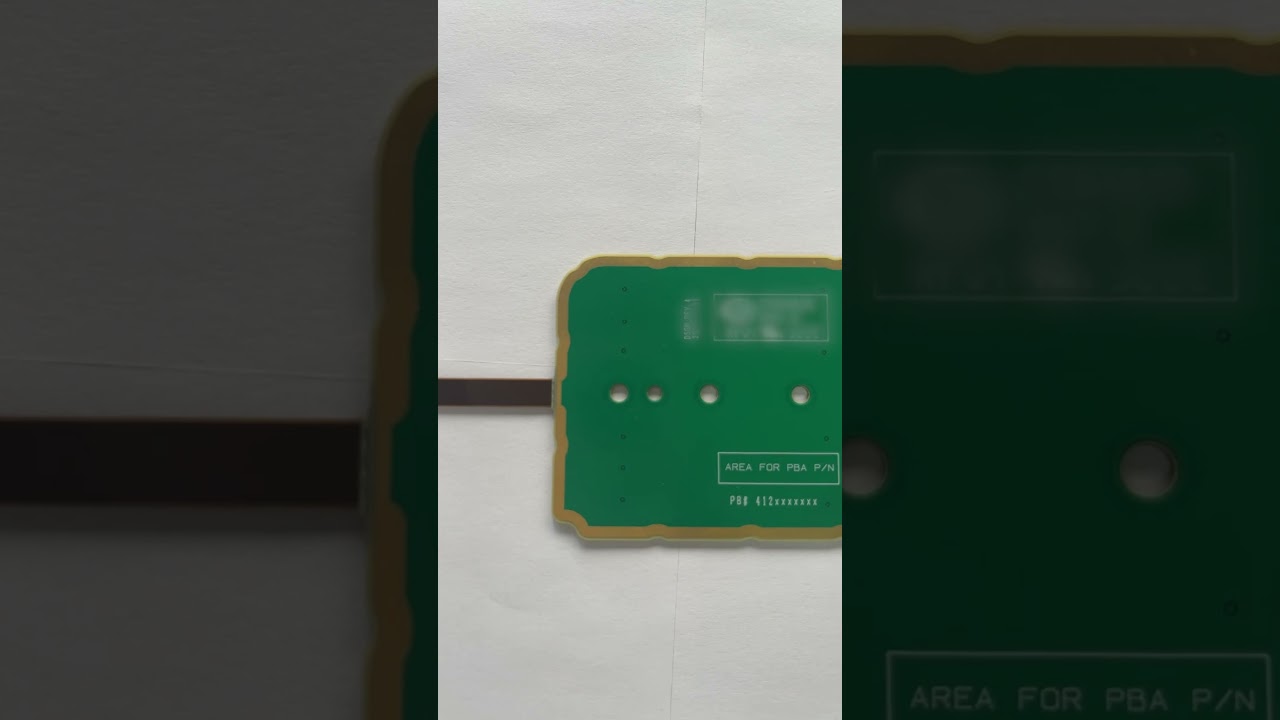
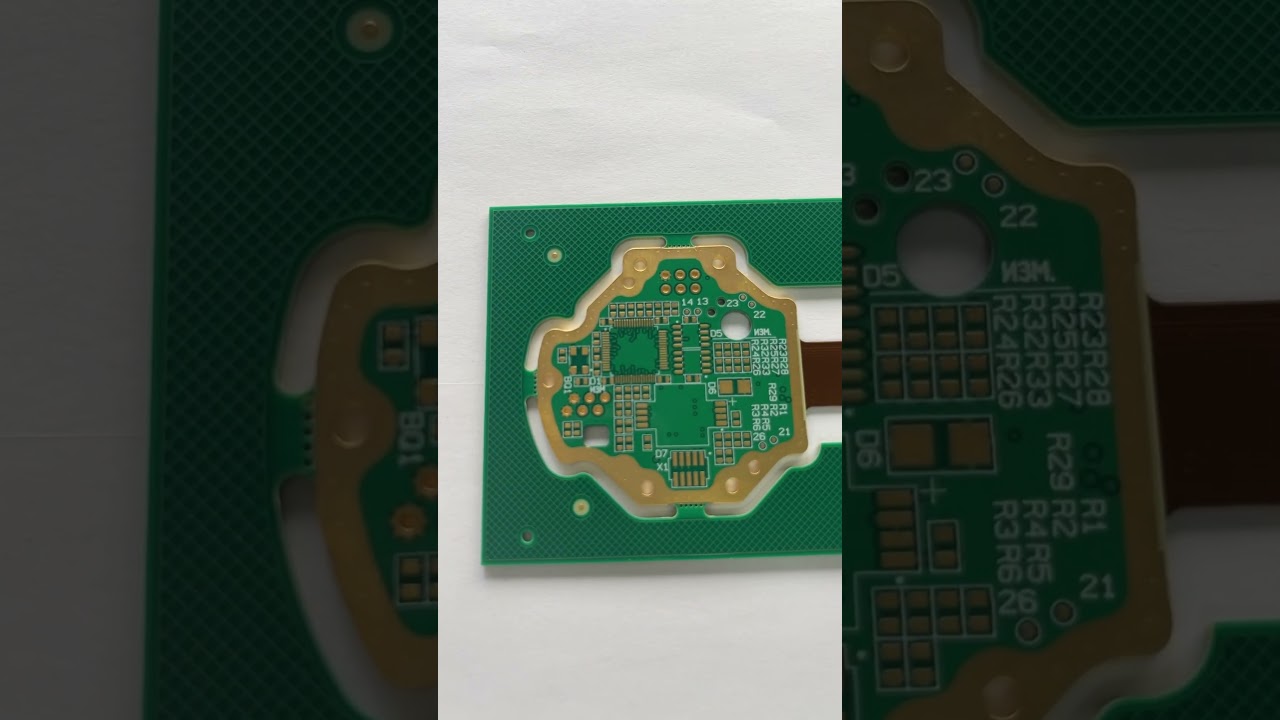
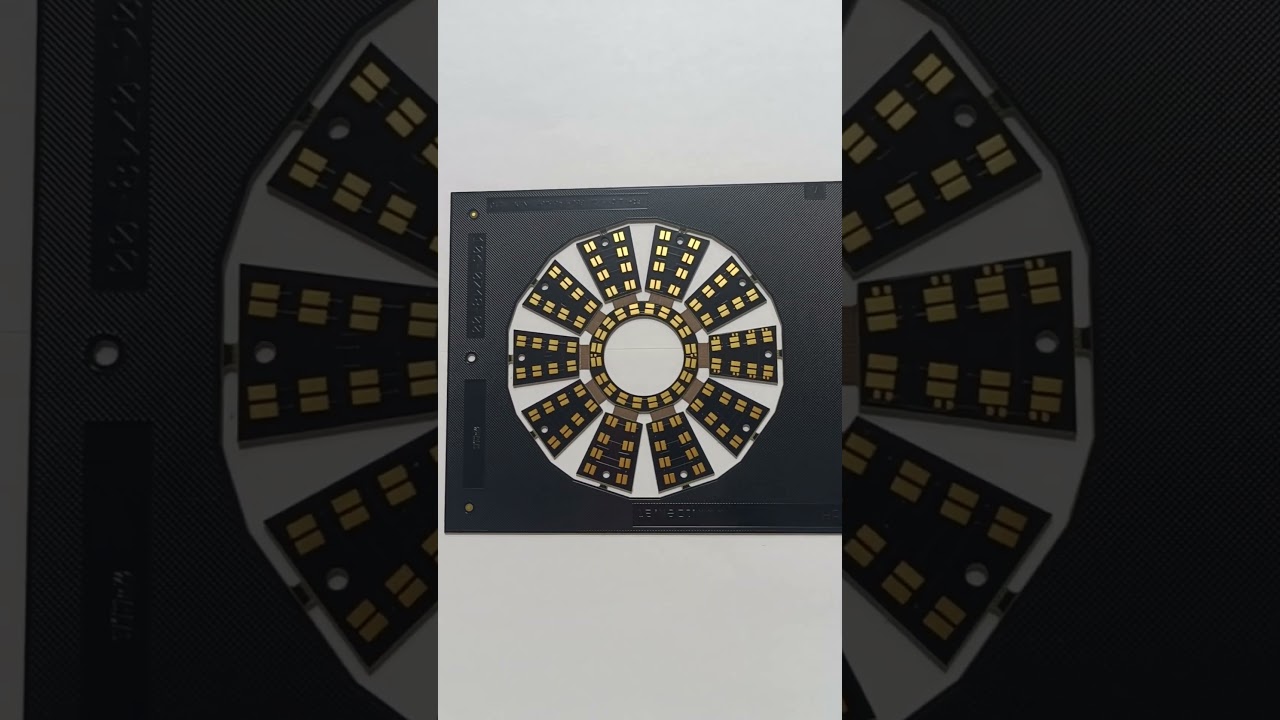
Push button PCB is a control circuit for tactile switch, keypad, or membrane input assemblies.
Samples normally take 5-7 business days after drawing, BOM, Gerber, and switch data approval.
DFM checks cover switch footprint, dome force, contact finish, flex-tail bend radius, and test access.
IPC-A-620, UL-758, and IATF 16949 are mapped to harness, wire, and automotive documentation needs.
OEM nákup v Česku suelen evaluar tres proveedores cuando un panel de botones entra en RFQ; el riesgo real no es solo precio, sino tacto desigual, huella de switch mal elegida y calendario sin visibilidad. Desde la voz de un seniorní výrobní inženýr, esta página responde lo que necesita un nákupní inženýr: materiales, lead time, pruebas, certificaciones y revisión de ingeniería antes de liberar tooling. El caso de robótica 2026-Q1 se mantiene con los datos originales: "multi-PO program", "split PIs", "same-day payment confirmation", "early delivery warning issued". Push button PCB is a printed circuit assembly that turns a mechanical press into a repeatable electrical input. Tactile switch PCB is a board layout using snap switches or metal domes where footprint accuracy controls feel and life. Membrane switch PCB is a PET or polyimide control layer that combines printed contacts, overlay, spacer, and tail connection. We review each RFQ against IPC-A-610 solder criteria, IPC-A-620 cable workmanship, UL-758 wire style expectations, and IATF 16949 traceability when the control board ships into automotive or industrial equipment.
For HMIs, pumps, cleaning equipment, and handheld controllers, we check overlay stack, LED windows, connector exit, and IP gasket clearance before quoting. This avoids a beautiful keypad that cannot be assembled into the housing.
The Singapore robotics case showed why order visibility matters. A push button board may be small, yet split POs, firmware timing, and harness integration can block product rollout if supplier communication is vague.
For handheld instruments and patient-adjacent controls, we separate cleanable overlay choices from soldered electronics, then document inspection and sample approval under ISO 13485-aware workflows when requested.
Steering controls, charger panels, and service tools often require IATF 16949-style traceability, stable switch force, and wire or FPC tails that match IPC-A-620 workmanship expectations.
We check Gerber, drawing, BOM, overlay art, switch datasheet, connector data, quantity, and target lead time. Missing switch force or life-cycle data is flagged before price is finalized.
Our engineers choose FR-4, PET, polyimide, or rigid-flex based on bend path, temperature, cost target, and wear. Hard gold is reserved for repeated sliding contacts; carbon ink is used only when resistance is acceptable.
Samples are built with controlled stencil, switch placement, tail bonding, and connector assembly. A 5-7 business day sample is typical after approved files and sourced switch parts.
We define continuity, short, LED, switch actuation, resistance, or fixture FCT checks. For harnessed versions, IPC-A-620 workmanship and UL-758 wire style notes are included in the control plan.
After sample approval, production planning locks BOM revision, panelization, tooling, labeling, packing, and inspection records. Typical production lead time is 12-18 business days after material release.
A button board is judged by feel first. We review actuator height, dome force, overlay spacer, solder joint support, and housing stack before recommending a process.
Many keypads fail at the exit tail or harness, not the copper pad. Our PCBA and cable teams review FPC tails, wire pigtails, strain relief, and connector availability together.
For the Singapore robotics program, the case bank records "multi-PO program", "split PIs", "same-day payment confirmation", and "early delivery warning issued" as concrete order-control actions.
IPC-A-610 is used for solder joints, IPC-A-620 for wire workmanship, UL-758 for wire style expectations, and IATF 16949 for automotive traceability discussions.
A complete package lets engineering quote the keypad instead of guessing the risk.
Gerber, drill, stackup, outline drawing, and panel constraints
BOM with switch, LED, connector, dome, overlay, spacer, and adhesive details
Switch datasheet with actuation force, travel, life cycle, and footprint
Housing section, button plunger height, bend path, and cable exit direction
MOQ, annual forecast, target sample date, production release date, and test requirement
The reply is designed for procurement, quality, and engineering review.
DFM comments on switch footprint, finish, stiffener, bend radius, and test pads
Quotation with MOQ, tooling, sample lead time, production lead time, and material risks
Switch and connector sourcing notes, including alternates when authorized parts are tight
Sample inspection plan with continuity, functional, LED, and optional fixture FCT coverage
Release checklist for BOM revision, artwork, label, packing, and traceability records
Push button PCB is a printed circuit board or flexible circuit that carries tactile switches, domes, carbon contacts, LEDs, connectors, or a flex tail so a mechanical press becomes an electrical input.
Yes. We can combine PCB fabrication, SMT, tactile switch assembly, membrane overlay, FPC tail, wire pigtail, connector sourcing, and functional testing under one RFQ package.
PET is cost-effective for static low-temperature keypads. Polyimide flex is better for heat, tighter bend paths, soldered electronics, and assemblies that need stronger mechanical margin.
We cite public references for standards context while applying customer drawings and purchase specifications during production.
IPC-A-610 and IPC-A-620 are used as workmanship references for soldered and cable-related portions of the assembly.
UL-758 wire style expectations matter when a push button PCB includes pigtails, cable exits, or internal equipment wiring.
Automotive keypad and control-board programs often use IATF 16949-style traceability, change control, and production release discipline.
Written for OEM nákup v Česku: RFQ-stage answers from a seniorní výrobní inženýr supporting PCB, flex, and cable-integrated control assemblies.
FlexiPCB manufacturing and sourcing specialist
Hommer Zhao has supported flexible PCB, PCBA, and cable-integrated builds for OEM procurement teams since 2008. For push button PCB projects, the factory review focuses on switch feel, contact wear, connector sourcing, test coverage, and documentation before a buyer commits to tooling.
Factory KPI
5-7 business day samples after complete RFQ approval
Production KPI
12-18 business day typical production lead time after sample approval
Case evidence
multi-PO program; split PIs; same-day payment confirmation; early delivery warning issued
Standards
IPC-A-610, IPC-A-620, UL-758, IATF 16949, ISO 9001